
Manual Osteopathy
What is Osteopathy?
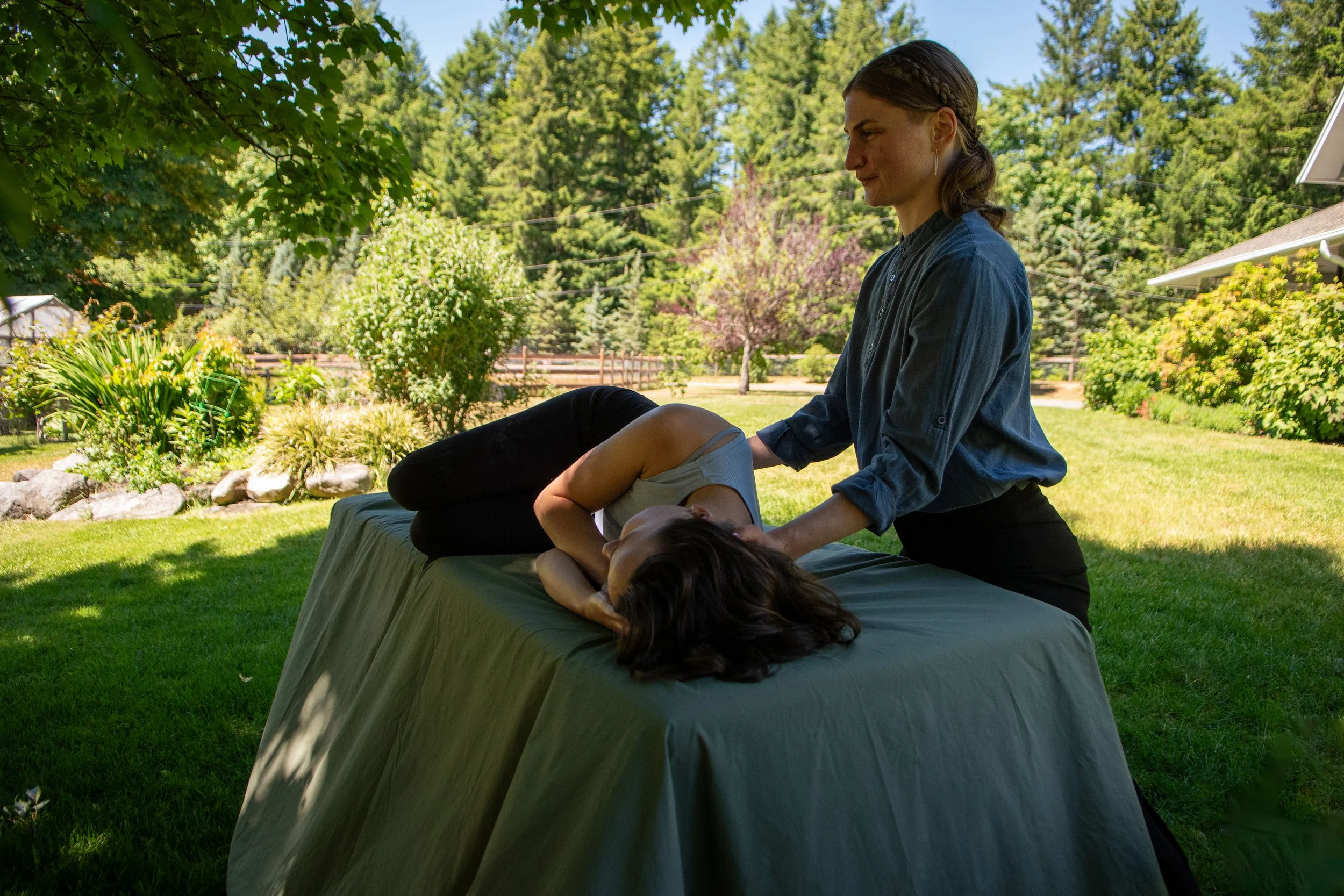
Manual osteopathy is a holistic form of hands-on health care that focuses on the relationship between the body’s structure and its overall function. Rather than only treating isolated symptoms, manual osteopathy looks at the body as an interconnected system, recognizing that restrictions, imbalances, or dysfunction in one area can influence other parts of the body.
At its core, manual osteopathy is based on the understanding that the body has an innate ability to regulate and heal itself when its tissues, joints, muscles, nerves, and circulation are functioning optimally. Through detailed assessment and gentle manual treatment techniques, osteopathic manual practitioners work to restore balance, mobility, and alignment within the body to support this natural healing process.
Treatment typically involves a combination of hands-on techniques such as soft tissue therapy, joint mobilization, stretching, myofascial release, muscle energy techniques, and cranial or visceral approaches when appropriate. These techniques are used alongside biomechanical, orthopedic, and neurological assessment methods to better understand how the body is functioning as a whole.
Manual osteopathy is commonly sought out for neuro-musculoskeletal conditions such as back pain, neck pain, headaches, sciatica, postural strain, repetitive stress injuries, and sports-related injuries. However, because the body functions as one integrated unit, treatment is not limited to the area where symptoms are felt. An osteopathic assessment considers how the entire body may be contributing to the issue.
For example, persistent neck tension or headaches may not originate solely in the neck. Restrictions in the feet, pelvis, rib cage, diaphragm, or spine can alter posture and movement patterns throughout the body, eventually creating strain elsewhere. By identifying and addressing these underlying compensations, manual osteopathy aims to improve both structural balance and overall function
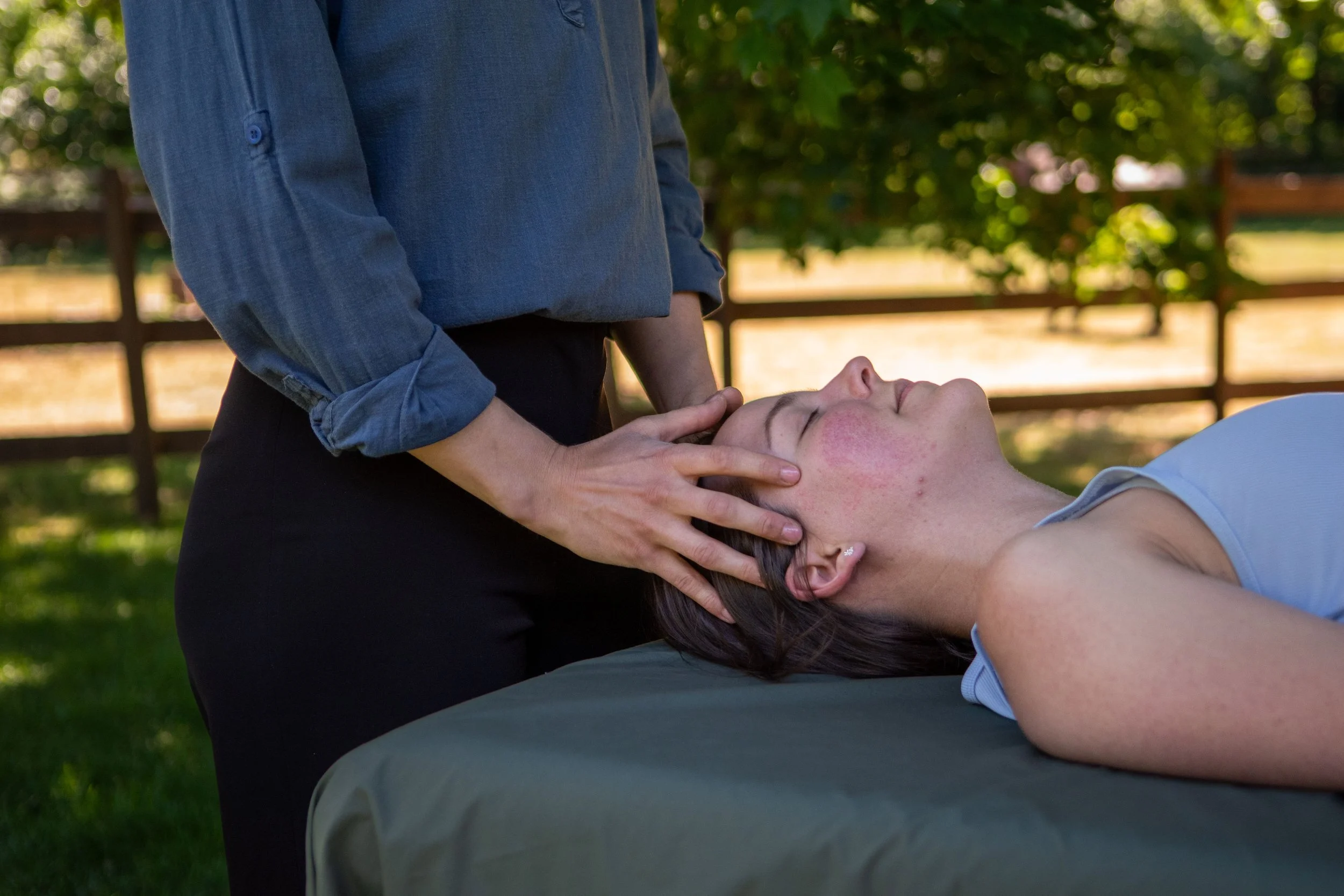
Manual osteopathy is also a patient centred approach to care. Treatment plans are individualized to each person’s unique history, lifestyle, movement patterns, and goals. Practitioners combine osteopathic philosophy with current anatomical and physiological knowledge, using evidence-informed clinical reasoning to guide assessment and treatment.
Ultimately, the goal of manual osteopathy is not simply symptom relief, but to help the body move, adapt, and function more efficiently, supporting improved mobility, reduced tension and pain, better postural balance, and enhanced overall well being.
However Manual osteopathy does not replace conventional medical care but serves as a complementary therapy. It works alongside other medical treatments to support the body’s natural healing, enhance mobility, and help manage symptoms. Always consult with your primary healthcare provider for diagnosis and treatment of any medical conditions.
Frequently Asked Questions
-
Manual osteopathy can benefit people of all ages and activity levels. Because treatments are gentle and individualized, they can be adapted to each person’s unique needs, lifestyle, and physical condition.
Manual osteopathy may benefit:
Individuals experiencing back pain, neck pain, headaches, joint stiffness, or postural strain
Athletes looking to improve mobility, recovery, performance, and injury prevention
People with physically demanding jobs or repetitive strain from work-related activities
Individuals with sedentary lifestyles, prolonged sitting, or desk-related tension
Those recovering from injuries, accidents, or physical trauma
Older adults wanting to maintain mobility, flexibility, and balance
Rather than focusing only on symptoms, manual osteopathy considers how the body is functioning as a whole. Treatment is tailored to the individual with the goal of improving movement, reducing tension and strain, and supporting overall well being.
-
Getting started is simple. Reach out through our contact form or schedule a call—we’ll walk you through the next steps and answer any questions along the way.Manual osteopathy differs from many other therapies by focusing on the body as an interconnected system rather than treating only isolated symptoms. Through detailed hands-on assessment, osteopathic manual practitioners look for the underlying patterns of tension, restriction, and compensation that may be affecting overall function.
Treatment is individualized and aims to improve how the structures and systems of the body work together, supporting better movement, balance, mobility, and well being.
-
We recommend wearing loose, comfortable clothing that allows for easy movement and access for assessment and treatment (for example, activewear). Avoid wearing restrictive clothing, belts, jewelry or bulky layers when possible.
Bringing a water bottle is encouraged, as staying well hydrated can support circulation and tissue response both before and after your session. It can also be helpful to avoid heavy meals right before your appointment so you feel comfortable lying and moving during treatment.
If you are a new client, arriving a few minutes early can be helpful to find parking and settle in. As well as completing the online intake form prior to your appointment. Be prepared to discuss your health history, current concerns, lifestyle factors, and any goals you have for treatment, as this helps guide a more thorough and individualized assessment.
-
After your session, it is recommended to give your body some time to integrate the changes from treatment. Scheduling a slower pace for the rest of the day can be beneficial, allowing your system to adapt without additional strain.
Gentle movement such as walking, light stretching, or normal daily activities is often encouraged, as it can help support circulation and mobility. It is generally best to avoid intense exercise or heavy physical strain immediately following treatment.
Everyone responds differently to manual osteopathy. Some people notice immediate improvements in comfort or mobility, while others may experience mild soreness, fatigue, or a sense of “adjustment” as the body adapts. These responses are typically temporary and part of the body’s normal response to change.
-
At this time, Lydia does not offer direct billing to insurance providers. Payment is collected at the time of your appointment, and clients are provided with a receipt that can be submitted to their insurance company for reimbursement.
We strongly recommend that you confirm your coverage for manual osteopathy with your insurance provider prior to your appointment, as eligibility and reimbursement can vary depending on your specific plan.
Please note that the list of accepted insurance providers is subject to change, as coverage policies and association agreements may be updated by insurers at any time.
Accepted Insurance Providers
Coverage is currently available through practitioner association membership with the ACMC (Canadian Alliance of Alternative Medicine) and may be eligible for reimbursement under the following extended health benefit plans:
GreenShield
ClaimSecure
Empire Life
Sun Life
Manulife
Desjardins
Equitable Life
NextGen
Beneva
Manion
The Co-operators
AGA Financial Group
Lewer Canada
Johnston Group
Medavie Blue Cross
Manitoba Blue Cross
UV Insurance
Provider Directory plans
Coverage varies by provider and individual plan, and clients are encouraged to verify details directly with their insurer prior to treatment.
Principals of Osteopathy
The founder of osteopathy was a man named Dr. Andrew Taylor Still, born in 1828. Dr. Still believed healing is something the body is capable of on its own, if in the correct anatomical position. As the founder of the first osteopathic school Dr. Still taught his philosophies, creating the foundation for what osteopathy is today.
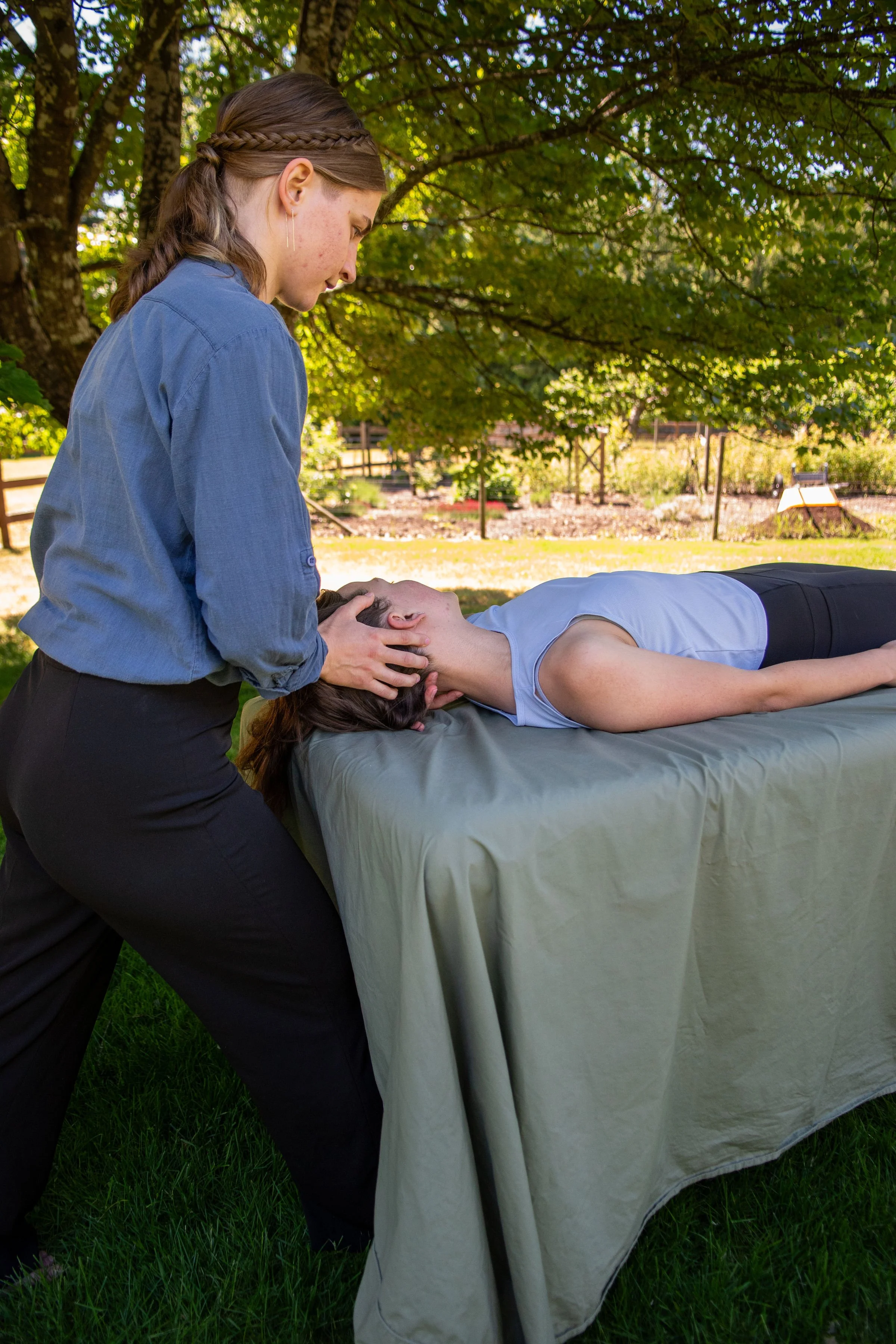
In manual osteopathy, practitioners use a variety of gentle techniques, such as joint mobilizations, myofascial release, soft tissue techniques, visceral work, cranial work, muscle energy techniques, and lymphatic drainage. These are used to improve range of motion, reduce strain, and restore balance across all systems of the body.
At the heart of this practice lies a beautiful philosophy, one that sees the body not just as a collection of parts, but as an interconnected whole. These guiding ideas are known as the principles of manual osteopathy. Whether you’re receiving treatment for pain, tension, or simply seeking balance. Understanding these principles can help you appreciate the gentle and intentional nature of manual osteopathic care.
1. The body is a unit
Everything in the body is connected (muscles, bones, nerves, organs, thoughts, and emotions). Osteopathy doesn’t just treat symptoms, but looks at how one area may affect another. Healing happens best when we treat the person as a whole.
2. Structure and function are interrelated
When your body’s structure (joints, tissues, and bones) are aligned and moving well, its functions (circulation, breathing, and digestion) can work more smoothly. In manual osteopathy, restoring structure often leads to improved function.
3. The body is self-regulating
Your body has an amazing ability to heal itself. Manual osteopathic techniques support this natural process by removing restrictions and encouraging healthy circulation, nerve flow, and lymphatic drainage.
4. Circulation of fluids
Healthy blood flow is essential for healing. When circulation is free and unobstructed, tissues receive the oxygen and nutrients they need. Many manual osteopathic techniques work gently to improve vascular and lymphatic movement.
5. Osteopathic treatment is based on these principles
Manual osteopaths don’t follow a one-size-fits-all approach. Each session is rooted in these guiding principles, aiming to support your body’s individual needs and capacity to heal.
Their attention to detail and commitment to quality truly stood out. We’ve already recommended them to others.
—Former Customer